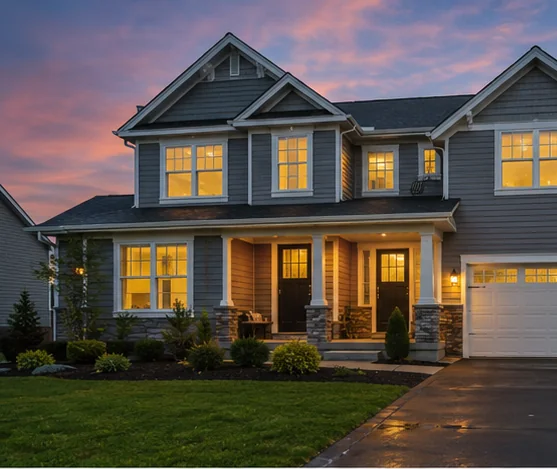
new construction home
A brand-new home in Savage looks finished, but "finished" and "built right" are not the same thing. Across the southwest metro, builders move fast thr
A brand-new home in Savage looks finished, but "finished" and "built right" are not the same thing. Across the southwest metro, builders move fast through subdivisions, subcontractors rotate between dozens of lots, and a lot of the work that matters most, grading, flashing, drain tile, and radon control, gets buried or covered before anyone slows down to check it. Savage's setting along the Minnesota River bluffs makes that work even less forgiving: lots are often cut and filled into sloping ground, water has somewhere to go, and Scott County sits in one of the higher radon zones in the state. An independent new-construction inspection gives you a plain-English second set of eyes before your final walkthrough or your 11-month builder warranty runs out. We are not there to fight your builder. We are there to document what is actually in front of us so the right things get fixed while someone else is still on the hook for them.
Bluff grading, backfill, and where the water actually goes
Most new Savage subdivisions from the late 1990s through the 2010s were graded into ground that slopes toward the Minnesota River valley. That means a lot of foundations sit in cut-and-fill soil, and the finish grading is one of the last things done, often by a different crew than the one that poured the foundation. We pay close attention to whether the soil slopes away from the house on all sides, whether the lot was left with the builder-minimum six inches of fall in the first ten feet, and whether downspouts actually discharge away from the foundation instead of dumping right against fresh backfill. On bluff and walkout lots especially, we look for negative slope, settled backfill trenches around the foundation, and patios or stoops that pitch back toward the house. These are common, they are fixable, and they are far cheaper to address while the builder still owns the problem.
Sump pumps, drain tile, and the wet-basement risk newer homes still have
A new home is not automatically a dry home. Savage's clay-heavy fill soils and high water table near the river mean nearly every newer build relies on perimeter drain tile feeding a sump basin. We confirm the sump pump is present, runs when triggered, and discharges to the exterior, not back into the same area it is trying to drain. We check that the pit has a lid, that the discharge line carries water well away from the foundation rather than freezing or looping back, and we look for any sign the basement floor drain or rough-in plumbing was left disconnected. On homes with a battery backup or second pump, we note whether it is actually wired and functional. A sump system that was installed but never properly finished is one of the most common new-construction items we catch.
Flashing, kick-out, and the exterior details builders rush
The defects we find most often on brand-new homes are not structural, they are water-management details at the exterior. Roof-to-wall transitions, the spot where a roof edge meets a vertical wall, frequently lack a kick-out flashing, which lets water run behind the siding and into the wall cavity over time. We look at step flashing along dormers and roof intersections, flashing and caulk integrity around windows and doors, deck ledger attachment and flashing, and whether the housewrap and siding terminate correctly above grade. With LP and fiber-cement siding common on these builds, we check that the bottom course keeps the required clearance to grade and that nothing is in direct soil contact. None of this is exotic, but it is exactly the kind of thing that gets skipped when a crew is moving lot to lot.
Radon: Scott County sits in a high zone
This is the issue people forget about most on a new build. Scott County, including Savage, falls in EPA Zone 1, the highest radon potential designation, and elevated levels are common throughout the southwest metro. Many newer Savage homes were constructed with a passive radon-resistant rough-in, a vent pipe running from under the slab up through the roof, but passive does not mean tested, and passive systems often need a fan added to actually bring levels down. We document whether a radon rough-in is present, whether it appears routed and labeled correctly, and we strongly recommend a separate radon measurement test regardless of what the builder says. A new house is not a low-radon house by default, and the only way to know your number is to test it.
What the builder's crews missed inside: HVAC, electrical, and plumbing
Inside, fast-moving trade crews leave a predictable list of items. On the mechanical side we check that HVAC supply and return runs are connected and balanced, that combustion appliances vent correctly, and that the furnace and water heater were set up per manufacturer instructions rather than left at rough-in. Electrically we look for missing GFCI or AFCI protection, reversed polarity, unlabeled panels, and junction boxes left open in the basement or attic. On plumbing we run fixtures to check for leaks under sinks, proper drainage, and trap and vent issues that only show up under real use. Attic insulation depth and ventilation also tend to fall short of spec on production builds, so we verify coverage and that bath fans actually vent to the exterior instead of into the attic.
Timing it to your final walkthrough or 11-month warranty
There are two smart windows for a new-construction inspection in Savage. The first is a pre-closing or pre-drywall inspection, before you take ownership, so issues land on the builder's punch list. The second is an 11-month warranty inspection, late in your first year, before the typical one-year builder warranty expires. That first winter and spring is when a Savage home settles, grading shifts, and any water-management or HVAC weakness shows itself. We give you a clear, photo-documented report you can hand straight to your builder, and you get it within 24 hours so you are not waiting on us while a deadline approaches.
What we watch for
- Negative or settled grading around the foundation, especially on bluff, walkout, and cut-and-fill lots
- Downspouts and sump discharge dumping water against the foundation instead of well away from it
- Sump pump and perimeter drain tile present, powered, and actually discharging to the exterior
- Missing kick-out and step flashing at roof-to-wall transitions and dormers
- Siding kept clear of grade, with intact flashing and caulk around windows, doors, and deck ledgers
- Radon rough-in present and correctly routed, plus a recommendation to test (Scott County is EPA Zone 1)
- Missing GFCI/AFCI protection, open junction boxes, and unlabeled electrical panels
- Disconnected HVAC runs, bath fans venting into the attic, and short attic insulation coverage
- Plumbing leaks under fixtures and trap or vent issues that show up only under real use
Buying or about to close on a new build in Savage, or coming up on your 11-month warranty deadline? Get an independent, plain-English inspection from an InterNACHI Master Inspector, with your full photo report back in 24 hours. Call us or build a free instant quote online in about a minute, no pressure and no obligation.
Get Your Instant Quote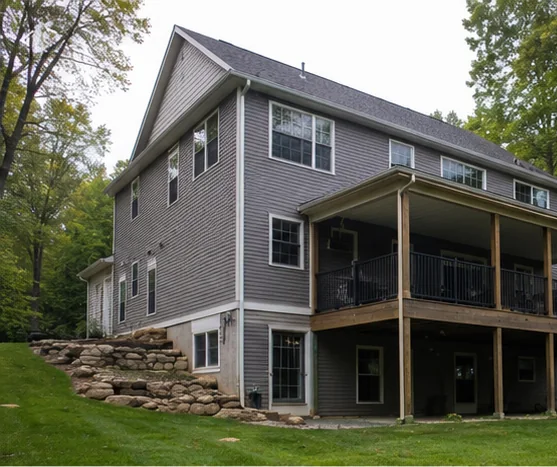
See your price in under a minute.
Build your quote and book your Savage-area inspection online — or call (952) 583-8608.